This article originally appeared at Baptist News Global on May 1, 2026.
Given the research I conduct for writing, the ads my algorithm sends me can be all over the map. Nothing ever surprises me.
But after looking into the recent story about 62 million visits to a website that contained instructions on how to sexually assault your wife while she’s sleeping, I was quite disturbed to log onto Facebook and discover an ad that said, “Upload anyone and generate a video of them doing anything you want.”
The left side of the ad included an image of a normally dressed woman, while the right side of the ad featured a video of her performing a sex act. I immediately reported the ad to Facebook for sexual exploitation and posted a status about it. Then others reached out to tell me they also received similar ads after looking into the story about the alleged “rape academy.”
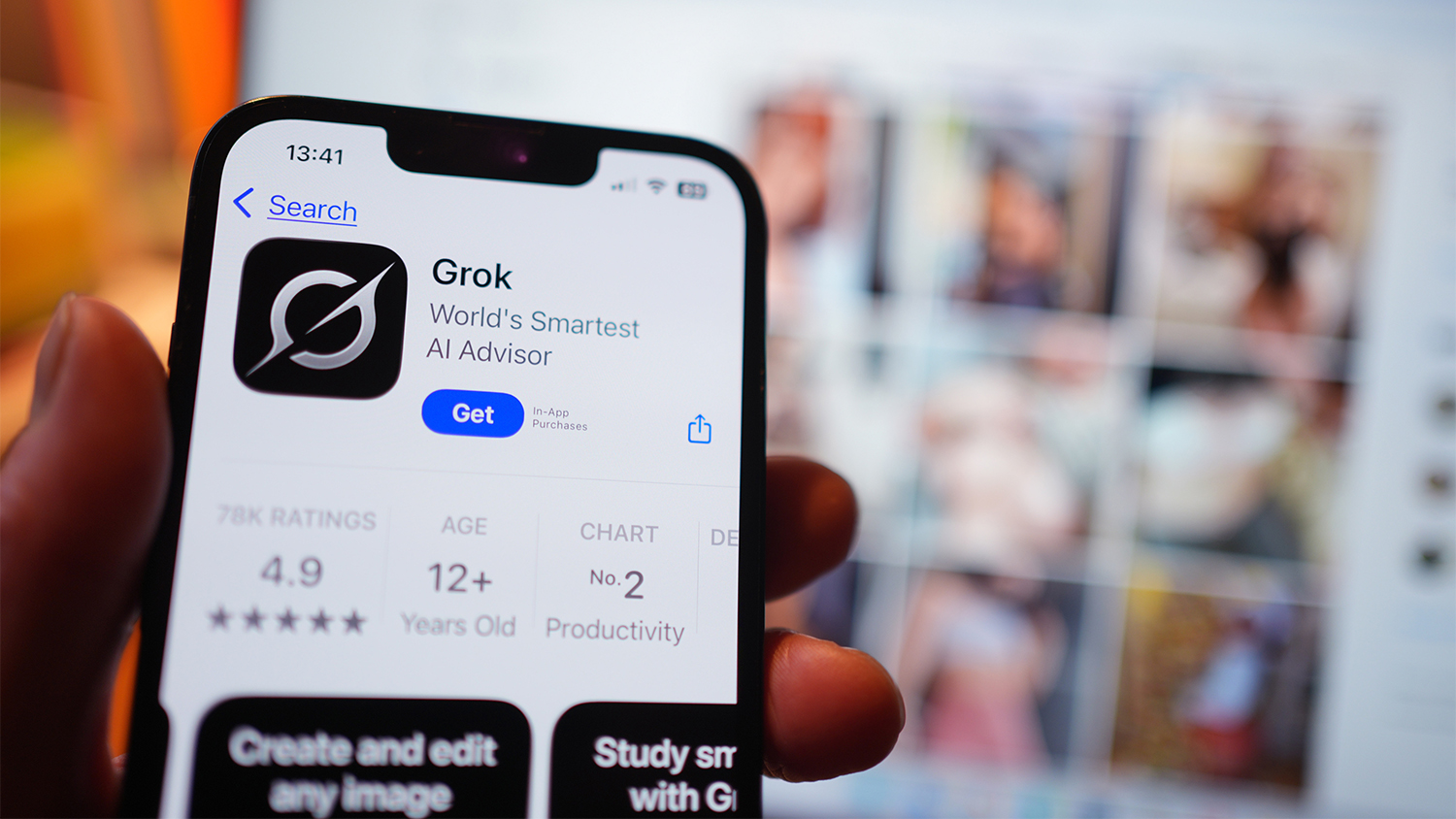
No longer does sexual fantasy have to be limited to the privacy of one’s mind or to the utilization of pornography. Now with just a few clicks, anyone can take the most innocent picture of anyone and turn it into a nude image or video without the person ever knowing. Even mainstream AI chatbots such as Grok have come under fire for producing sexual images of children.
“With just a few clicks, anyone can take the most innocent picture of anyone and turn it into a nude image.”
As AI continues to gain popularity, videos of people performing actions they didn’t consent to are becoming more commonplace. And one place these AI images and videos are causing problems is in schools.
According to a study from the United Nations: “Across 11 countries, at least 1.2 million children reported having had their images manipulated into sexually explicit deepfakes through AI tools in the past year. In some of the countries, this amounts to 1 in 25 children, or the equivalent of one child in a typical classroom.”
According to the Center for Democracy and Technology, “39% of students say they have heard about NCII (non-consensual intimate imagery) that depicts individuals associated with their school, representing 5.97 million out of 15.3 million public high school students in the U.S.”
Additionally, everyone can be susceptible to this, with 51% of high school students reporting it more likely happens to females and 14% saying it most likely happens to males. And the result is that everyone has some level of fear.
“These technological developments mean a child’s body, identity and reputation can be violated remotely, invisibly and permanently,” the study concludes. “Furthermore, children can be threatened, blackmailed or extorted using images that are fabricated, but that nevertheless feel real, carry social credibility and can follow them for decades.”
As if childhood wasn’t stressful enough and the violent sexual entitlement of men wasn’t threatening enough to deal with already, now we have to consider what happens when AI is thrown into the picture.
The strategies of AI
AI is seemingly everywhere these days. While companies have invested billions of dollars into their AI platforms, they have yet to make a profit. So they’re pushing heavily to get people to spend more time using the software and then sign up for premium services.